For GLP-1 users it says additional attention goes to nutritional status, hydration markers and medication stability, and its table adds haematocrit and blood glucose control as further factors centres weigh
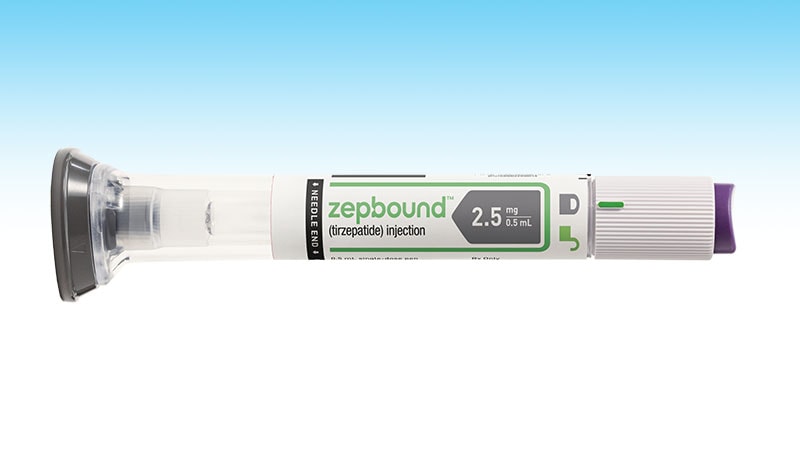
Unlike some oral medications that require specific timing relative to meals for optimal absorption, tirzepatide is administered as a subcutaneous injection, which bypasses the gastrointestinal tract for absorption
doi:10.1016/j.amjmed.2011.05.030
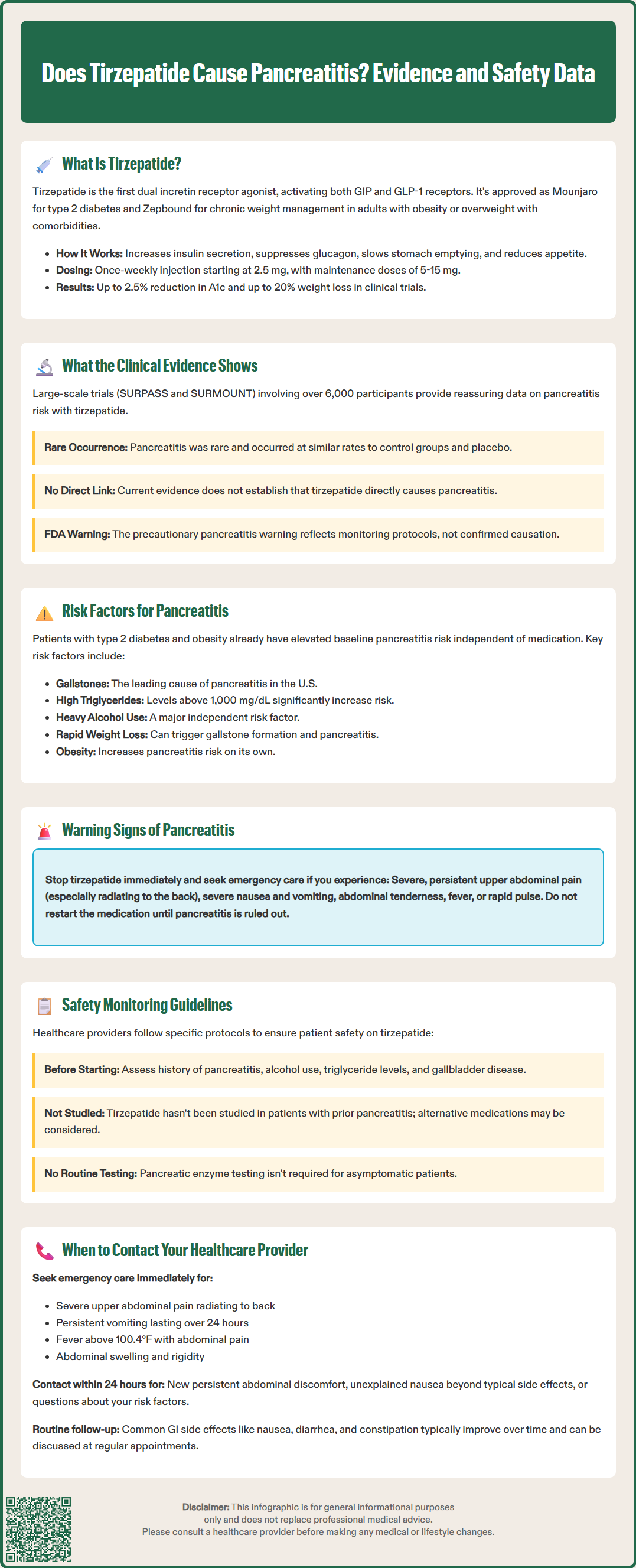
Contact your GP or prescribing clinician if you experience : Severe or persistent nausea and vomiting that prevents adequate fluid or food intake, as this may lead to dehydration Severe abdominal pain , particularly if sharp, constant, or localised to a specific area Signs of pancreatitis , including persistent severe pain in the upper abdomen that may radiate to the back, often accompanied by nausea and vomiting Blood in vomit or stools , which may appear red or have a dark, tar-like appearance Symptoms of gallbladder disease , such as pain in the upper right abdomen, particularly after eating fatty meals Unexplained fever alongside digestive symptoms Rapid ongoing weight loss with inability to maintain adequate hydration or nutrition Stop taking Saxenda and seek urgent medical attention (call 999 or attend A&E) if you develop : Severe, sudden-onset abdominal pain, especially if pancreatitis is suspected Persistent vomiting with inability to keep down any fluids Signs of severe dehydration (dizziness, confusion, very dark urine, no urination for 8+ hours) or concerns about acute kidney injury Allergic reaction symptoms (difficulty breathing, facial swelling, severe rash) For persistent but non-urgent sulphur burps , schedule a routine appointment with your GP if the symptom continues despite dietary modifications, significantly impacts your quality of life, or you have concerns about continuing Saxenda